As the proclaimed proverb in Sanskrit says, death in Varanasi is a blessing for the devout. The abode of Lord Shiva, Varanasi or Kashi is the oldest surviving city in the world as per Hindu mythology. It is believed that the first ray of light after the creation of this Universe fell upon Varanasi, sanctifying it for eternity. River Ganges, the holiest river in Hinduism flows through the eternal city and beside the river stand the Ghats in Varanasi, as the testament of the glorious amalgamation of humanity and divinity. Older than traditions and spectacular beyond imagination, these Ghats have witnessed the evolvement of humanity across ages. The Ghats in Varanasi symbolically represent the five diverse elements or Pancha Tattva that constitute the human body. They are believed to be the doorsteps of heaven, and millions of Sadhus and pilgrims pay their tributes to the gods standing on these Ghats which play an astounding role in the city’s religious activities.
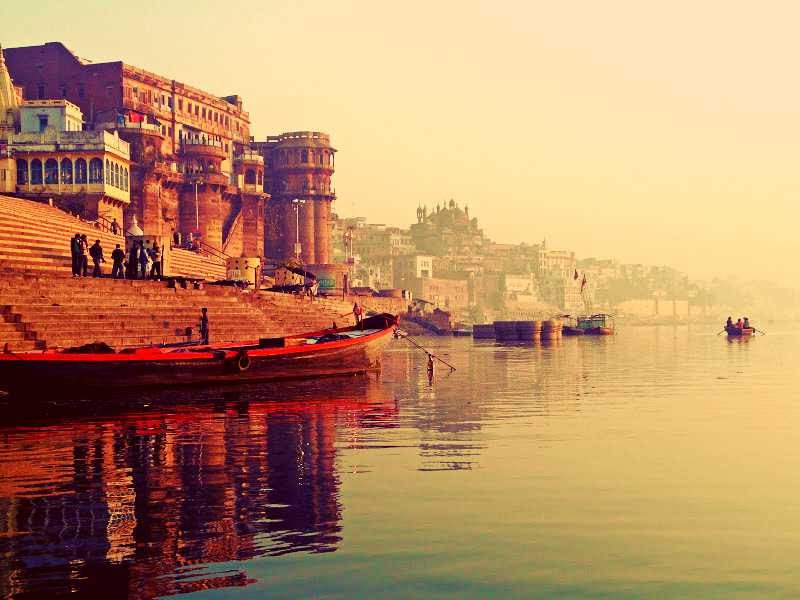
1. Assi Ghat
Assi Ghat, also called as ‘Saimbeda Tirtha’, is the southernmost Ghat in Varanasi. Situated at the junction of Ganga and Assi rivers, Assi Ghat has been mentioned in numerous ancient Hindu scriptures like Matsya Purana, Agni Purana, Kurma Purana, Padma Purana and Kashi khanda. Legend says that upon slaying the demons Shumbha-Nishumbha, Goddess Durga threw her sword away. Her sword fell on earth with full force creating a stream of a river, known as Assi River. It is also believed that Tulsi Das wrote the epic Ramcharitmanas on this very spot. Assi Ghat is today one of the most prominent ghats in Varanasi, and thousands of Hindu pilgrims take a holy dip here on important occasions like Grahan, Dussehra, Probodhoni Ekadashi, Makar Sankranti, etc.
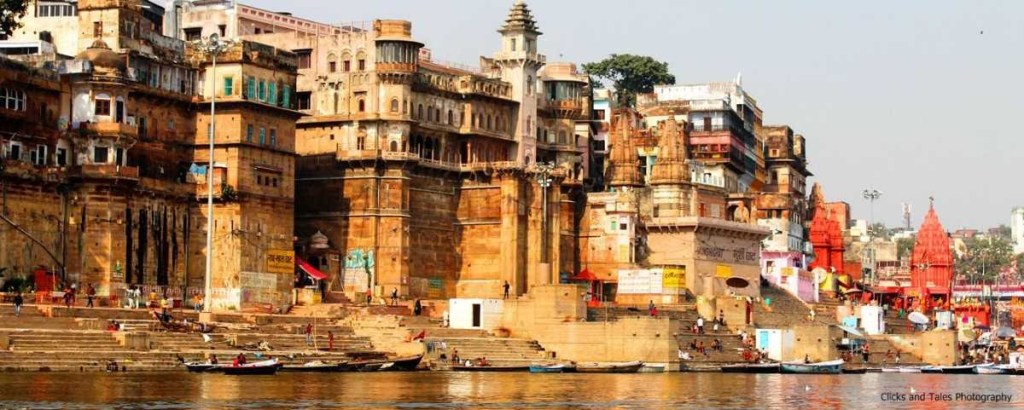
2. Dasaswamedh Ghat
Dasaswamedh Ghat is one of the most well known and one of the busiest ghats of Varanasi. The literal translation of Dasaswamedh means the sacrifice of ten horses. According to legends, ten horses were sacrificed by Lord Brahma at this very site to allow Lord Shiva to return from banishment. Owing to this mythological story, the ghat became famous by the name of Dasaswamedh Ghat. Myriad of Sadhus are seen on the ghat every day, performing religious rites along the banks of river Ganga. The most significant attraction here is the grand Ganga Aarti which takes place here every evening, where thousands of spectators gather around to witness the visually stunning spectacle. Thousands of earthen lamps are immersed in the waters of the holy Ganges after the Aarti, and the floating lanterns illuminate the river creating a trance-like atmosphere.
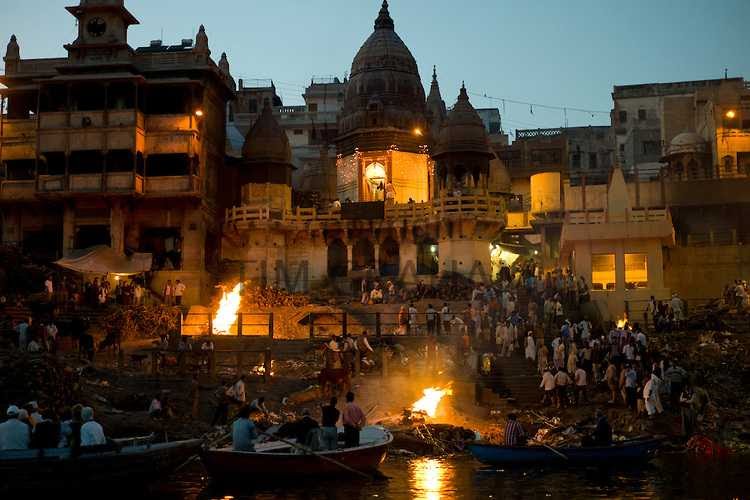
3. Manikarnika Ghat
Manikarnika Ghat acts as the central cremation site in Varanasi and is one of the oldest and most sacred Ghats in Varanasi. According to Hindu mythology, the person cremated here achieves immediate liberation from the cycle of birth and rebirth. Manikarnika Ghat lies at the centre of the five major Tirtha Sthals and symbolises both creation and destruction. Millions of people come down at this ghat to burn down the mortal remains of their dear ones and pray to the flames for eternal peace of the soul. Also present here is a sacred well called the Manikarnika Kund, wich is believed to be dug by Lord Vishnu at the time of creation of this world. The ashes of the burnt bodies make one remember the inevitable destruction of everything in the world here.
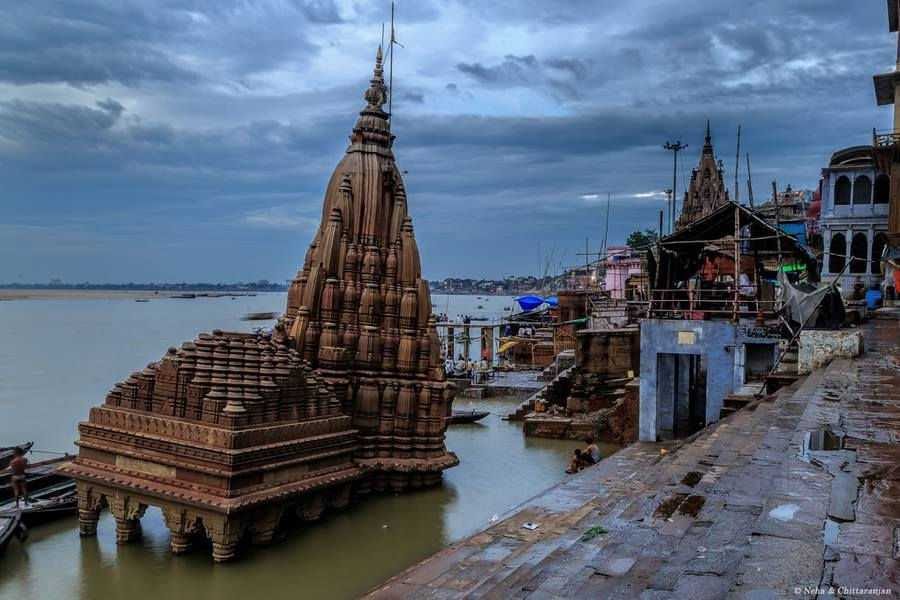
4. Scindia Ghat
Scindia Ghat borders Manikarnika to the north and is governed by various myths and legends. Hindu mythology considers the ghat to be the place of birth of Agni, the God of Fire. A Shiva temple stands here partially submerged in Ganga and is believed to be so heavy that it caused the ghat to collapse into the river. It is believed that the temple is sinking continuously since then and it will soon be submerged in water. Some of Varanasi’s most revered shrines are located above Scindia ghat in an area known as Siddha Kshetra. It is also a local belief that people who pray at this ghat get blessed with a son. The ghat was built by a Scindia woman in 1850 and thus came to be known as Scindia Ghat. Boating alongside this ghat is a favourite tourist activity.
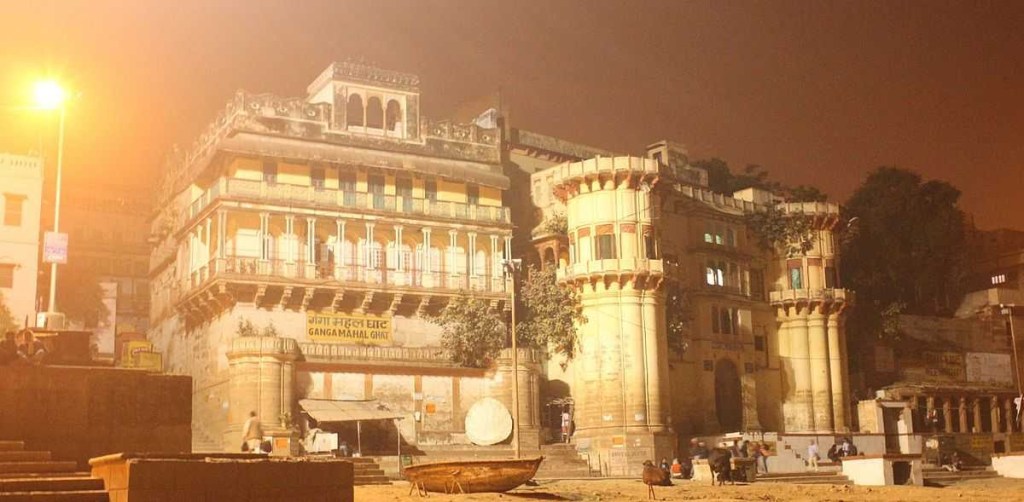
5. Ganga Mahal Ghat
The Narayan dynasty ruled the city of Varanasi until 20th century A.D and in 1830 the Maharaja of Banaras constructed a grand palace on the banks of river Ganga, which came to be known as ‘Ganga Mahal’. Since the palace was built on the ghat, the ghat was named as ‘Ganga Mahal Ghat’. Stone steps between Assi Ghat and Ganga Mahal Ghat separate the two ghats and beautiful carvings on the ghat depict the grandeur and architectural culture of Rajputs.
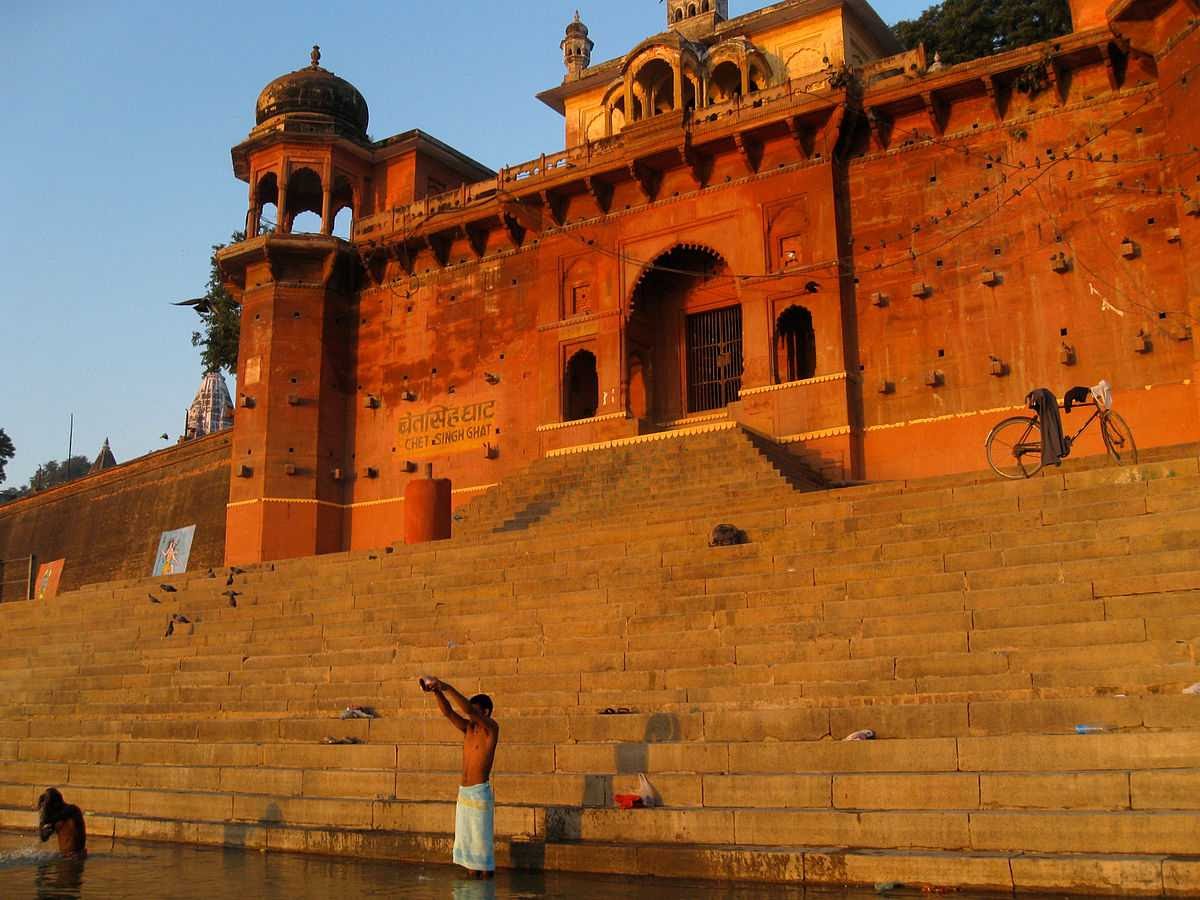
6. Chet Singh Ghat
The majestic Chet Singh Ghat is a fortified ghat in Varanasi, constructed by Maharaja Chet Singh in the 18th century. The ghat and its surrounding areas played as the backdrop for the fierce battle between Maharaja Chet Singh and Warren Hastings, the first governor-general of India. The grand Ghat then fell into the hands of the British after Chet Singh’s defeat. The British then lost the ghat to Maharaja Prabhu Narayan Singh in the latter half of the 19th century. Bathing isn’t advisable at this ghat since the current of the Ganges can be quite sharp here.
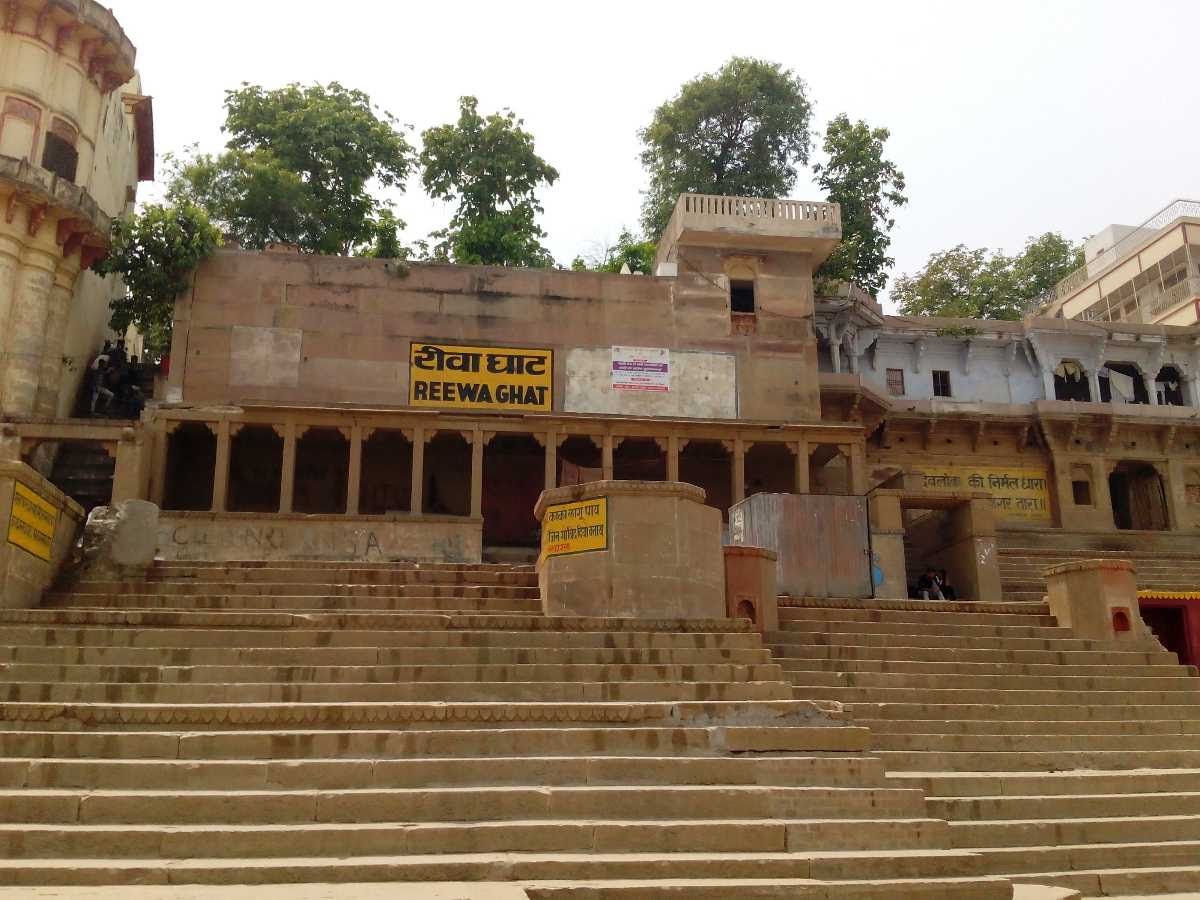
7. Rewa Ghat
Rewa Ghat holds immense historical perspective. This ghat in Varanasi was built by the royal priest of Maharaja Ranjit Singh of Punjab, whose name was Lala Mishir and thus initially the Ghat was named as Lala Mishir Ghat. However, later in 1789, King of Rewa bought Lala Mishir Ghat and re-fortified it and renamed it as Rewa Ghat. The King of Rewa donated the Ghat to Benares Hindu University in the 20th century. The ghat features concrete stairs, designed in ‘Ashta Pahal’ style of architecture which protects it from the strong currents of river Ganga.
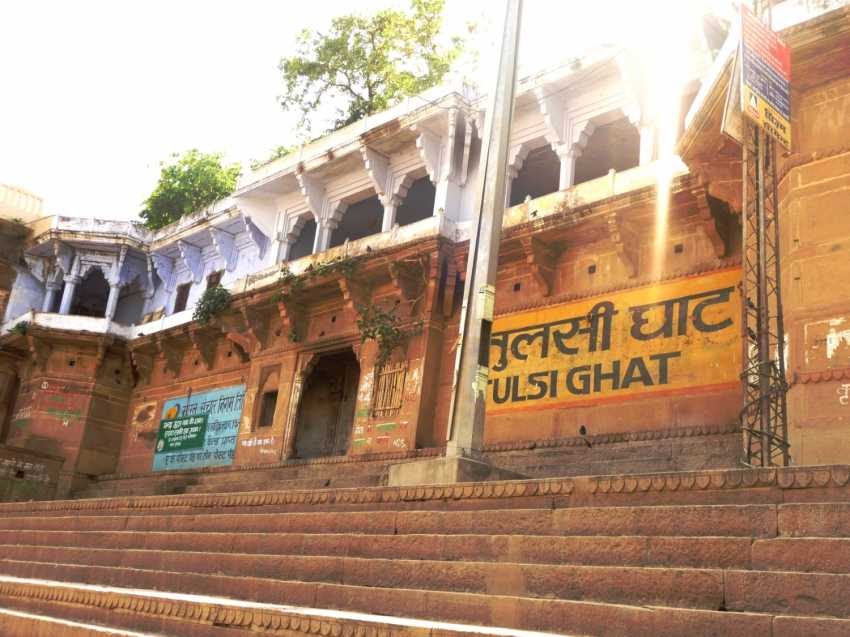
8. Tulsi Ghat
Tulsi Ghat is another essential ghat of Varanasi. Named after the celebrated poet and saint Tulsidas, Tulsi Ghat has been the stage of the first ever Ramleela as per Hindu legends. It is believed that when Tulsidas composed the tremendous Indian epic Ramcharitmanas in Varanasi, his manuscript once fell into Ganga and rather than sinking, it kept floating over the river near this ghat. A temple of Lord Ram was built on the Ghat, and many relics of Tulsidas are preserved at the Tulsi Ghat. The house in which Tulsidas died has also been retained and his Samadhi, wooden clogs, pillow and the idol of Hanuman, which Tulsi worshipped, can all be still found intact here.
9. Harish Chandra Ghat
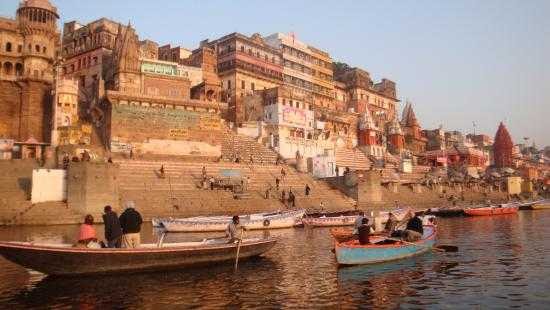
Harishchandra Ghat finds mention amongst the oldest and most significant ghats of Varanasi. The ghat is one of the two significant cremation Ghats in Varanasi, the other one being Manikarnika. It is named after the eminent King Harishchandra, who contributed a great deal to the cremation ground present here and towards the perseverance of truth and charity. Hindus from distant places bring the dead bodies of their family members and near ones to Harishchandra Ghat for cremation, as it is believed in Hindu mythology that if a person is cremated at the Harishchandra Ghat, he attains Moksha or salvation.
10. Jain Ghat
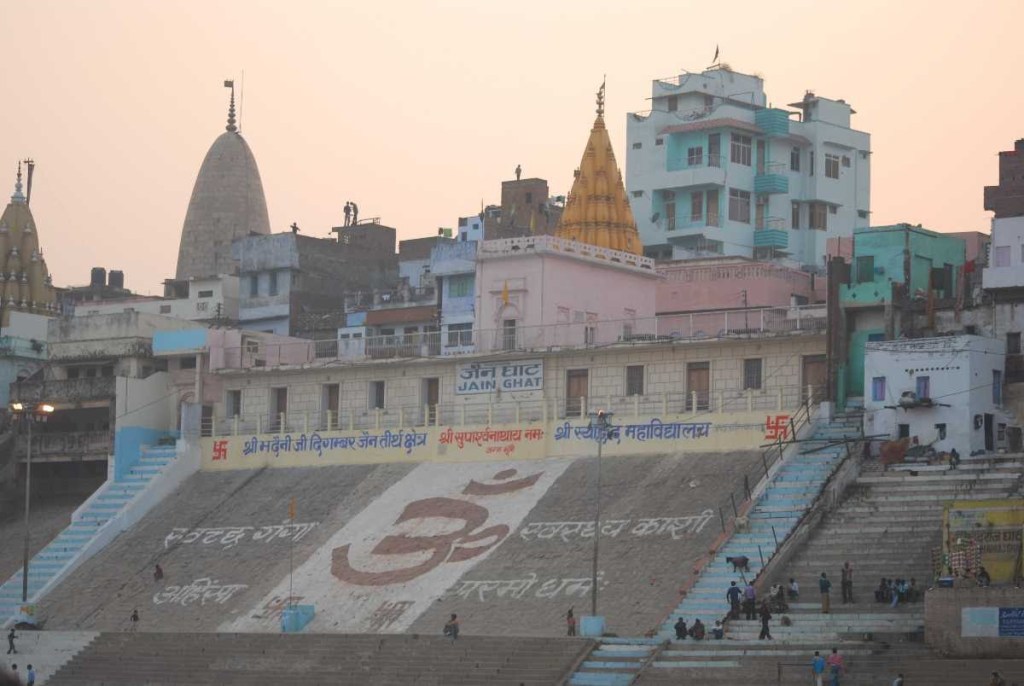
Earlier known as Vaccharaja Ghat, this ghat in Varanasi was purchased by the Jain community in 1931, and they fortified it, renaming it as Jain ghat. Jain society performs religious activities on this ghat and also takes a bath in the Southern region of the ghat. The Northern region, however, is inhabited by the Mallaha or boatman families, which gives a different bent to the Jain ghat.

 Namaste Varanasi